August 21, 2026 • 5 min read
Why We Don't Call Mint an Agent Platform
"Agent platform" is the label most of the market reaches for right now. It is not the label we use for Mint, and that is a deliberate choice, not an oversight.
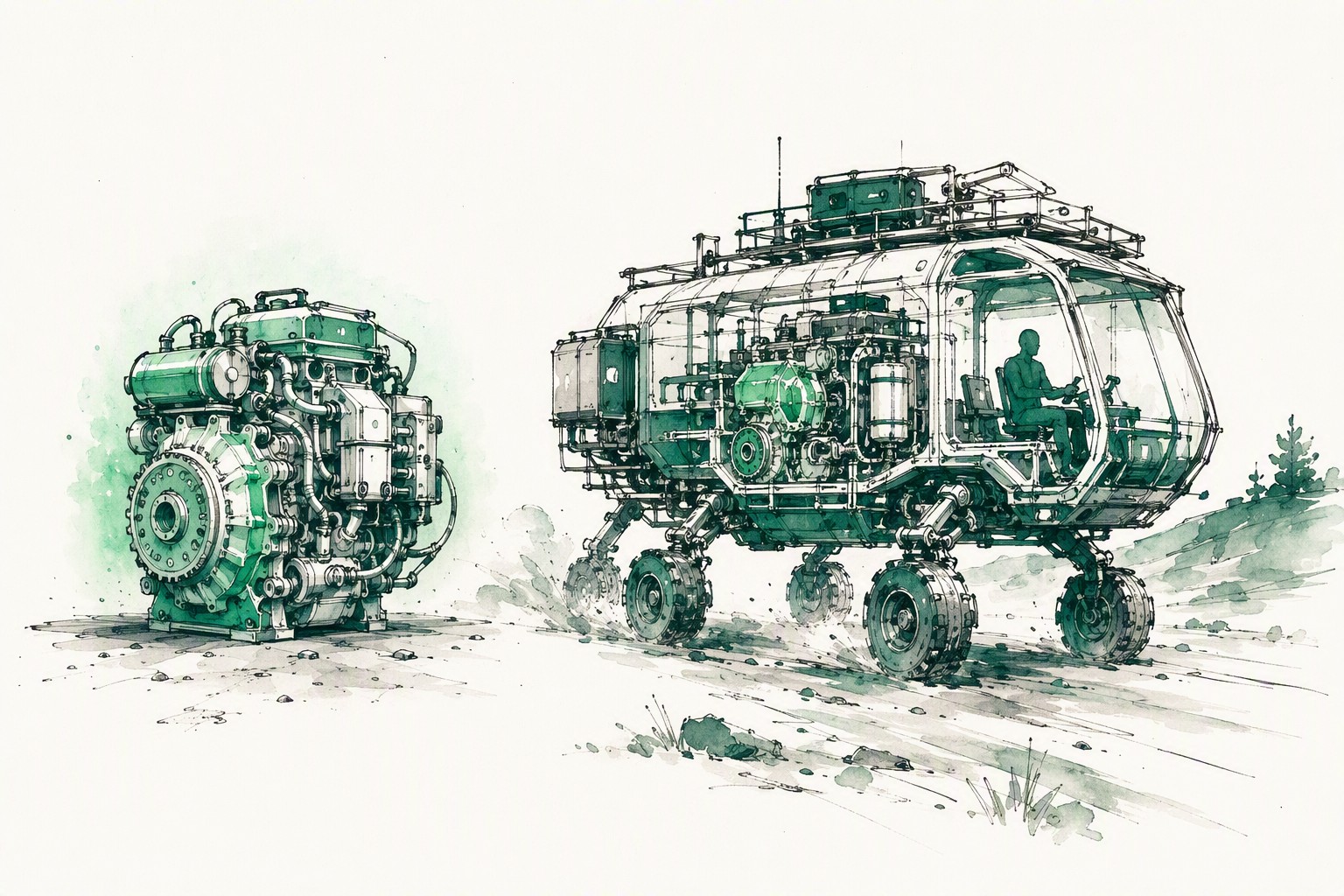
Here is the distinction. An agent is a piece of the system, not the point of it. Naming the category after a component is like calling a car company an "engine platform." The engine matters. It is not what the customer is buying.
What "agent platform" actually promises
Say "agent platform" to a buyer and you are promising a place to build, configure, and run agents. The unit of value is the agent itself: how many you can spin up, how capable each one is, how well they talk to each other.
That framing puts the burden on the buyer. They still have to figure out which agents to build, wire them into the actual work of the business, decide who can approve what, and keep watching to make sure nothing drifted. The platform gave them parts. It did not give them a finished job.

We see the same pattern with two other labels that get used almost interchangeably with "agent platform."
"AI workforce" implies headcount replacement, and it invites the wrong conversation immediately: which jobs, whose jobs, how many. That is not the premise Mint is built on. The premise is that organizations already have more intelligent work than their people have time for. The gap is bandwidth, not headcount.
"Workflow automation" implies the work can be fully specified in advance: if this, then that. Most of the backlog sitting inside an organization cannot be specified that way. It requires reading something, understanding it, and making a judgment call that varies case by case. Rigid automation was never built for that kind of work, which is exactly why so much of it stayed manual.
What Mint is actually built to do
Mint is an AI work execution platform. The difference is what the unit of value is.
Not "how many agents can you configure." Instead: context goes in, and reliable execution comes out. Company knowledge, data, and process, turned into work that actually runs.
Underneath that, Mint does have agents. It has agentflows, forms, dashboards, and organizational context. Those are the building blocks, and each one is named for the work it does, not for a generic AI capability:
- Agents are persistent AI workers with context, capabilities, and responsibility for a job. Not chatbots.
- Agentflows are intelligence turned into a repeatable, observable, testable process. Not automation recipes.
- Forms are intelligent entry points where every submission starts real work. Not form builders.
- Dashboards are living views that agents create, maintain, explain, and act on. Not static BI.
- Organizational context is the same context your best employees have, given to every AI system. Not a knowledge base.
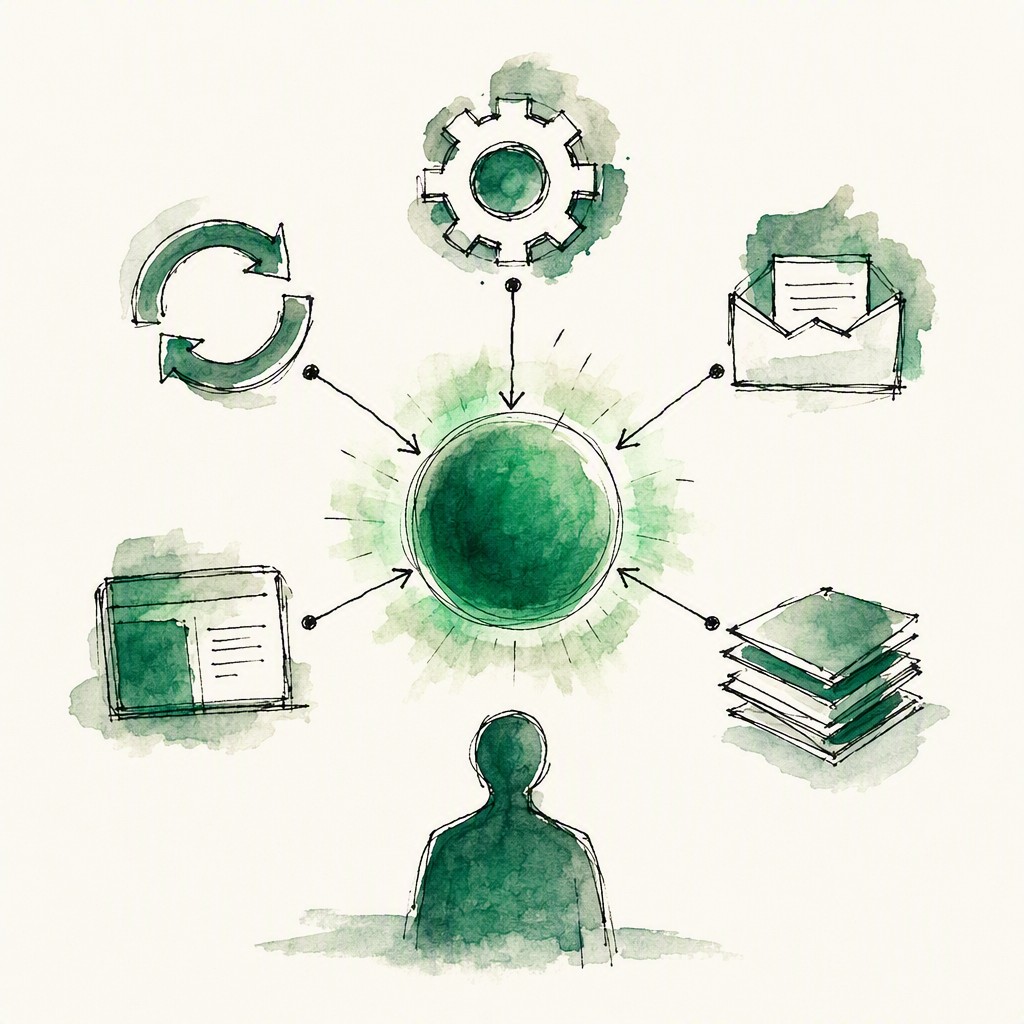
Any one of those, taken alone, could be sold as its own product category. Taken together, wrapped in a safe execution layer, and pointed at real business work, they become something else: a way for an organization to do more intelligent work than its headcount would otherwise allow.
Why this distinction matters for a buyer, not just for us
This is not a branding exercise. It changes what you should expect to evaluate.
If you are shopping for an agent platform, the right questions are about agent capability: how smart is it, how many tools can it call, how well does it reason. Those are real questions, but they are questions about a part.
If you are trying to solve the actual problem, the questions are different: What work is currently falling through because nobody has time for it? What decisions are being made on partial information because nobody can read everything that matters? What long-tail processes never got built because they were never going to justify a dedicated application?
Answer those questions honestly, and the conversation stops being about agents at all. It becomes a conversation about how much of that backlog you can safely hand to something that runs continuously, and what controls need to sit around it while it does.

That is the conversation Mint is built for. Calling it an agent platform would answer a smaller question than the one that is actually worth asking.
Mint is an AI work execution platform: it turns a company's knowledge, data, and processes into AI-powered work that runs continuously, reliably, and safely.
Part of the Controlled Autonomy series:
- The Work That Falls Between Your Systems
- Safe Doesn't Mean Cautious. It Means Controlled.
- Why We Don't Call Mint an Agent Platform
- The Four Jobs Organizations Actually Hire AI For
- Know, Reason, Act, Learn (publishing soon)