August 19, 2026 • 5 min read
The Work That Falls Between Your Systems
Every enterprise has spent the last two decades digitizing the parts of the business that could be cleanly defined. A CRM tells you where a deal stands. An ERP tells you what was spent. An HRMS tells you who's on the team. Project tools tell you what's due.
That software is good at what it does. It is also, by design, narrow. It captures structured events, a stage change, an invoice, a headcount number, and stops there.
Everything between those events is still done by hand:
- Collecting information from five places before a decision can be made
- Reading a document, a transcript, or a thread closely enough to understand it
- Deciding what matters and what doesn't
- Coordinating the follow-up across people who don't share a system
- Creating the report, the summary, the update, the response
- Updating the systems of record once the work is actually done
- Following up again when nothing happens
None of this shows up on a dashboard. All of it consumes the time of people who are already busy. And none of it was ever going to get its own software category. Building a dedicated application for every one of these processes was never economical, so most of them simply never got built. They stayed manual by default, not by choice.

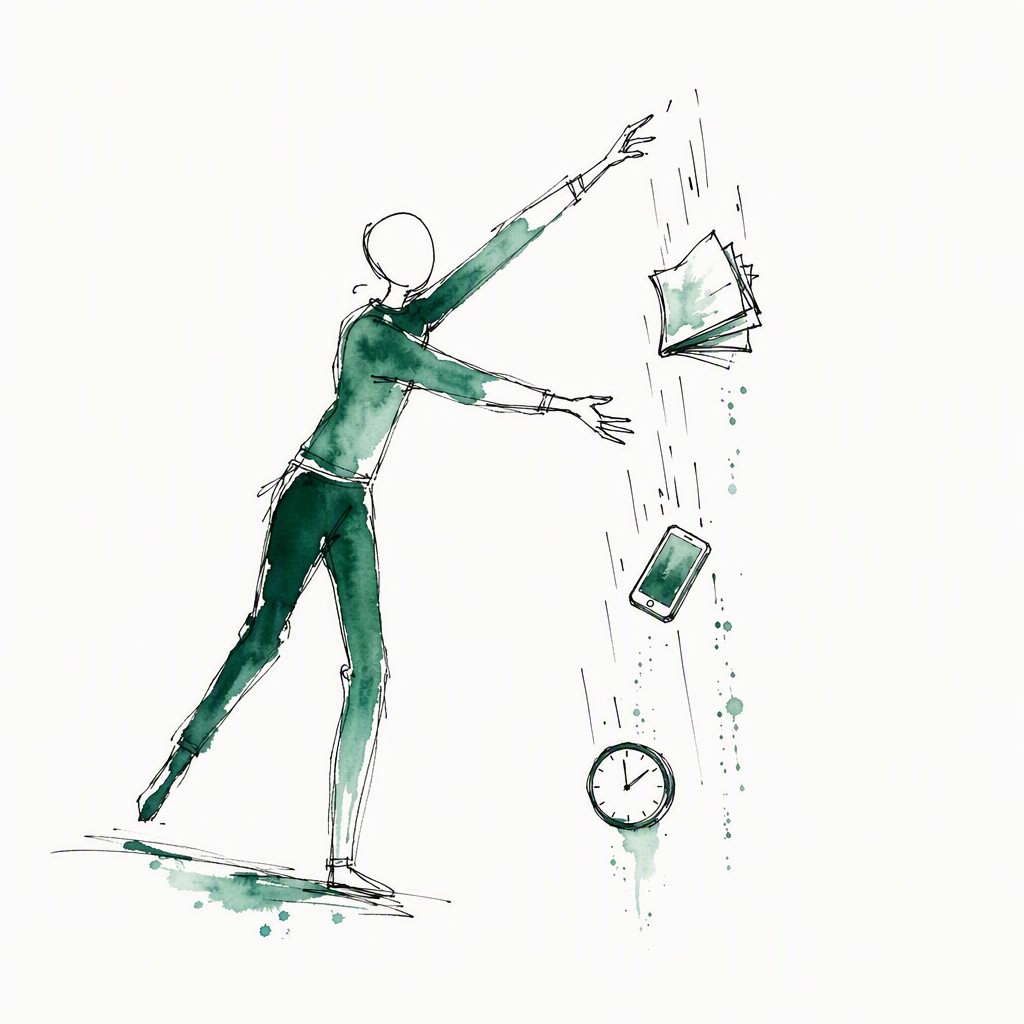
This is a bandwidth problem, not a tooling problem
The common mistake is treating this gap as a missing feature: "we need a better dashboard" or "we need another integration." It isn't a feature gap. It's a structural one: organizations have more intelligent work than people have the bandwidth to execute.
That shortfall shows up in a few consistent ways, and most operations leaders will recognize all of them immediately:
Work falls through. Small but important tasks sit unfinished, not because anyone decided they didn't matter, but because everyone was already at capacity when they arrived.
Intelligence doesn't scale. Five thousand customer calls, support tickets, or field reports contain real signal. No team can read all five thousand. So most of it goes unread, and decisions get made on a sample instead of the whole picture.
Context is fragmented. What the business actually knows is scattered across people's heads, old email threads, shared drives, and half a dozen SaaS tools that don't talk to each other. Nobody has the full picture, including the people paid to have it.
Long-tail processes stay manual. Every business has dozens of processes that are important but too specific, too low-volume, or too idiosyncratic to justify a custom build. They get done by whoever has time this week, which increasingly means nobody, on time.
Why "just add more automation" doesn't close the gap
Traditional workflow automation is good at encoding the part of a process that can be precisely specified in advance: if this field equals X, do Y. That's valuable, and it's not going away.
But most of the backlog described above isn't precisely specifiable. It requires reading something and understanding it, weighing a judgment call, or handling a case that doesn't fit the last twenty cases the same way. Rigid automation breaks the moment the input varies from what it was configured to expect, which is exactly the shape of the work that has been piling up between systems for twenty years.
This is the gap that's actually costing organizations capacity: not the absence of software, but the absence of something that can sit between the structured systems, do the reading, deciding, and coordinating that people currently do by hand, and do it reliably enough to trust with real work.
What closing it actually requires
Closing this gap isn't about hiring another person for every process, and it isn't about writing bespoke software for every long-tail case. Neither is economical at the scale most organizations are dealing with. It requires something that can take on real judgment-bearing work, continuously, without needing a dedicated application built around it, and without operating outside the controls a business already expects from anything doing real work on its behalf.
That's the actual shape of the problem worth solving: turning the intelligent work sitting between your systems into something that runs reliably, safely, and continuously, without asking every team to either hire around it or build software for it.
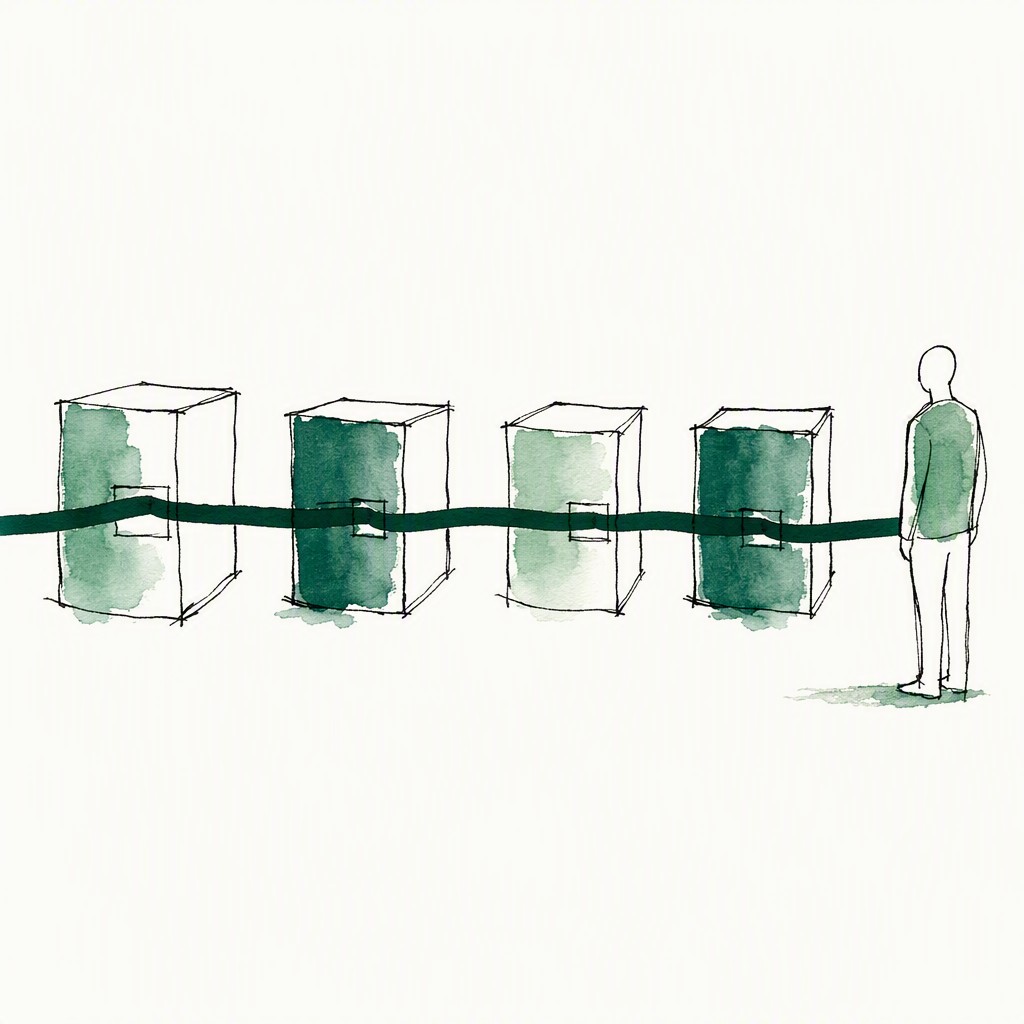
SafeFoundry builds Mint, an AI work execution platform, for exactly this gap: the work between your systems that today gets done by hand, or not at all.
Part of the Controlled Autonomy series:
- The Work That Falls Between Your Systems
- Safe Doesn't Mean Cautious. It Means Controlled.
- Why We Don't Call Mint an Agent Platform
- The Four Jobs Organizations Actually Hire AI For
- Know, Reason, Act, Learn (publishing soon)