August 27, 2026 • 5 min read
The Four Jobs Organizations Actually Hire AI For
Most conversations about AI adoption start in the wrong place. They start with the technology: which model, which agent framework, which vendor. They should start with the job.
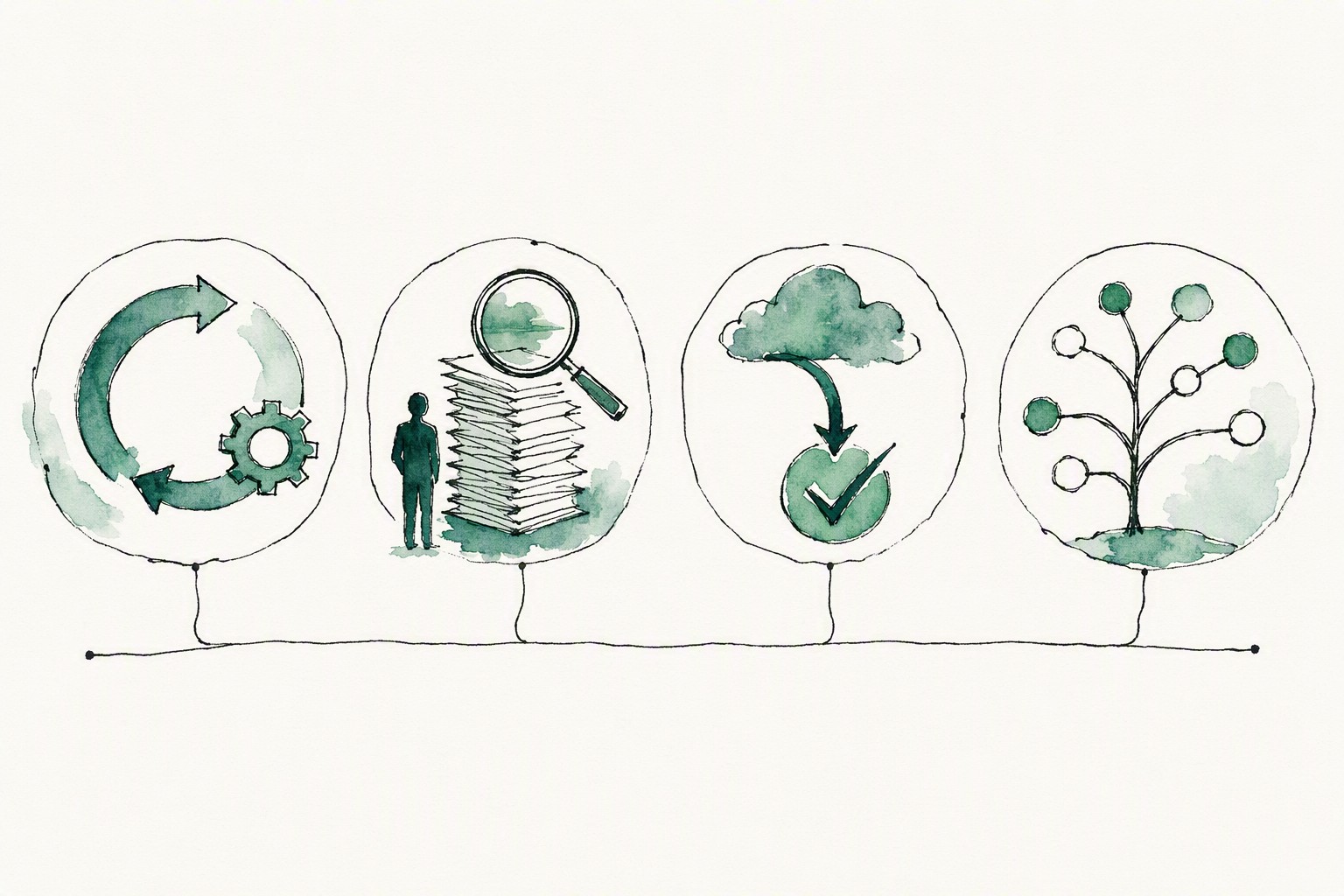
When you strip away the technology and look at what organizations are actually trying to get done, the work sorts into four jobs. Almost every AI use case we have seen fits into one of them.
Job 1: Run work
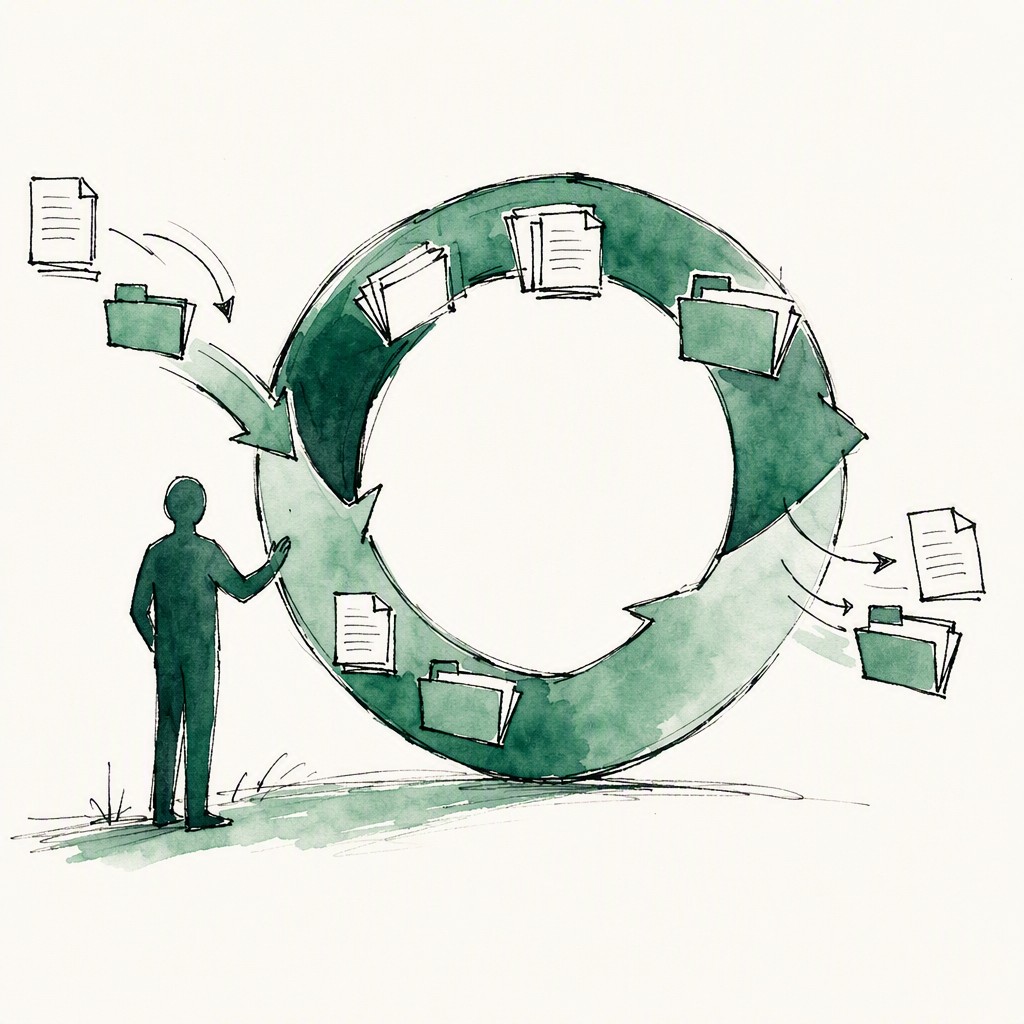
This is the recurring, operational backbone of a business. Reports that go out every week. Reconciliation between two systems that never quite agree. Status updates that someone has to chase down and compile. Follow-ups that need to happen but keep slipping.
None of this is intellectually hard. It is just constant, and it competes for the same hours as everything else on a team's plate. The organizations that hire AI for this job are not looking for something clever. They are looking for something that will simply keep doing the recurring work, reliably, without needing to be reminded.
Job 2: Understand at scale
Every organization generates far more raw information than it can read. Thousands of customer calls. Support tickets. Field reports. Documents. Conversations that contain real signal about what customers want, where a process is breaking, or where risk is building up.
No team has the hours to read all of it, so most of it goes unread and decisions get made on a sample instead of the whole picture. Hiring AI for this job means asking it to actually process the volume, not summarize a handful of examples and call it insight.

Job 3: Turn information into action
Understanding something is not the same as acting on it. This job is about the step after comprehension: taking unstructured input, structuring it, surfacing what actually needs attention, routing it to the right place, and updating the systems that need to reflect it.
This is the job that closes the loop between "we noticed something" and "something changed as a result." It is also the job most likely to touch a system of record, which is exactly why the controls around it matter as much as the intelligence behind it.
Job 4: Scale organizational knowledge
The fourth job is about what an organization knows, not just what it does. New hires need to get up to speed. Existing employees need answers to questions that live in someone else's head. Clients and institutional relationships carry history that is easy to lose when the one person who remembers it moves on.
Hiring AI for this job means giving that knowledge a place to live and a way to be reached by whoever needs it, when they need it, instead of depending on whoever happens to still be around.
Why the four-job lens matters more than a feature list
Most AI vendors sell features: a model, a set of tools, a builder interface. Most buyers do not actually want features. They want one of these four jobs done, reliably, without having to hire around it or build custom software for it.
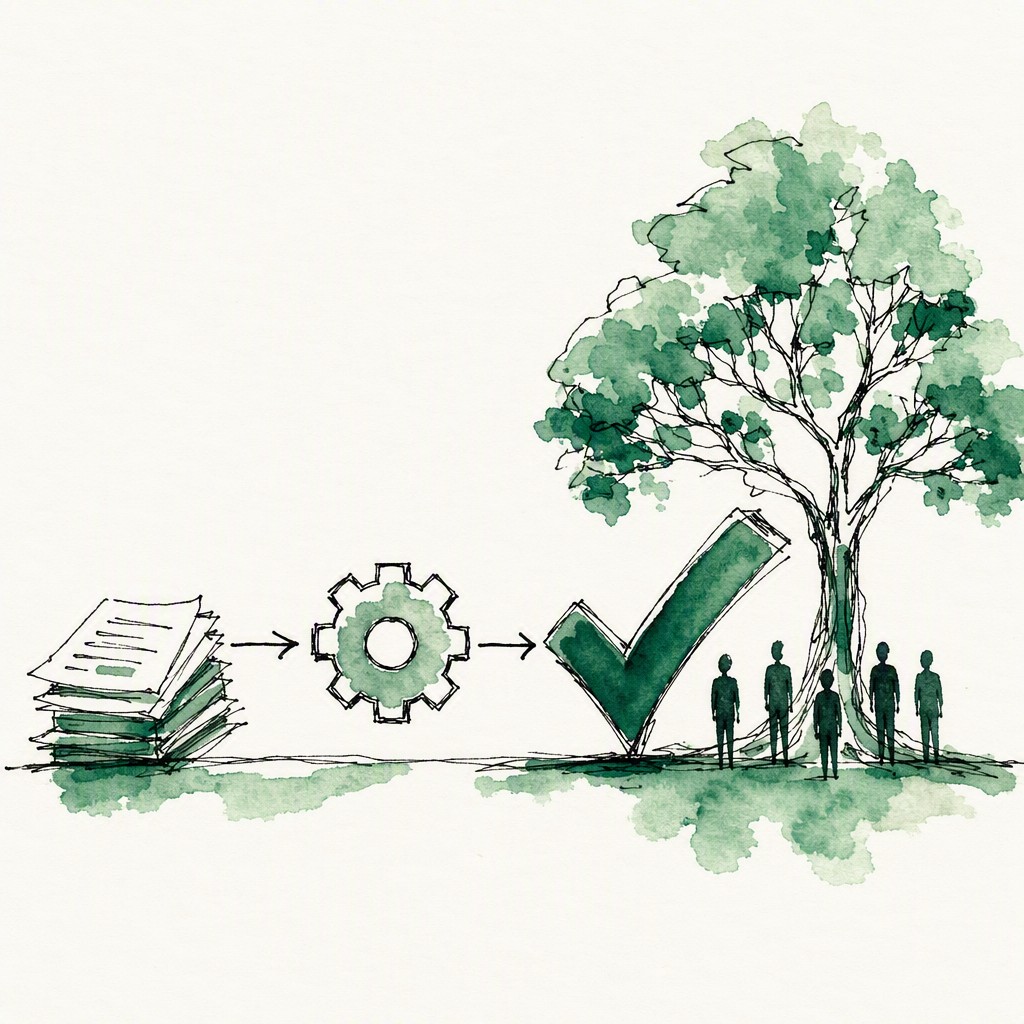
The four-job lens is useful because it reorders the conversation. Instead of asking "what can this AI system do," it asks "which of our actual jobs is this AI system built to take on, and how well does it do that one." That is a much easier question to answer honestly, and it is a much easier question to hold a vendor accountable to later.
It also explains why a single, narrow AI feature rarely satisfies a real buyer. A tool that only summarizes documents is doing part of Job 2. A tool that only sends reminders is doing part of Job 1. Organizations that try to stitch together a different point tool for every job usually end up with more integration work than they started with, and no single place where the work is actually visible or controlled.
Where to start
If you are trying to figure out where AI actually belongs in your organization, start with the job, not the technology. Ask which of the four is costing you the most right now: work that keeps falling through, information you cannot get through fast enough, action that stalls after the insight is already there, or knowledge that walks out the door with whoever leaves.
Whichever job hurts most is usually where AI adoption should start, and it is usually a more useful starting question than "which model should we use."
Mint is built around these four jobs: running recurring work, understanding information at scale, turning that understanding into action, and scaling what an organization knows. Each one runs inside the same safe execution layer, so autonomy can expand as trust in the work grows.
Part of the Controlled Autonomy series:
- The Work That Falls Between Your Systems
- Safe Doesn't Mean Cautious. It Means Controlled.
- Why We Don't Call Mint an Agent Platform
- The Four Jobs Organizations Actually Hire AI For
- Know, Reason, Act, Learn (publishing soon)