May 24, 2026 • 2 min read
Why Enterprise RAG Systems Hallucinate Even With Good Documents
Your support policy document is correct. Your product FAQ is correct. Your escalation SOP is correct. Yet the AI assistant still gives the wrong answer.
That is the uncomfortable truth of enterprise retrieval-augmented generation: good documents are necessary, but they are not enough.
RAG can reduce hallucinations by connecting a language model to external knowledge. But in production, RAG is not a magic “grounding” switch. It is a pipeline — and a failure at any stage can turn correct source material into an unsupported or misleading answer.
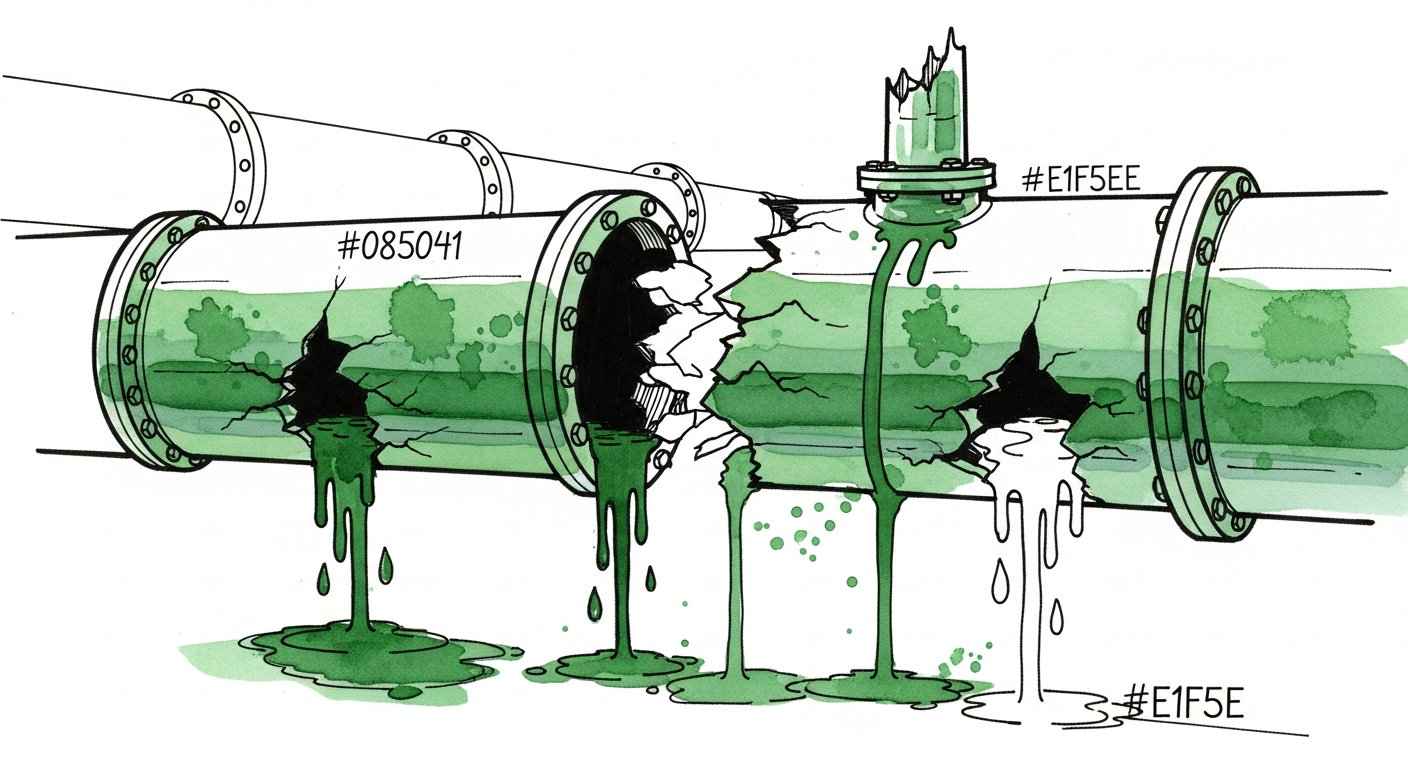
Why good documents still produce bad answers
A common assumption is: “If the source documents are correct, the AI answer should be correct.”
This skips the engineering reality between the document and the answer.
Key failure points include:
- Parsing & OCR — PDFs, tables, and scanned documents often lose critical context during ingestion.
- Chunking — Poor chunk boundaries split meaning and hide exceptions or conditions.
- Semantic similarity vs authority — Vector search retrieves what sounds relevant, not what is authoritative for that customer, region, or policy version.
- Reranking — Can favor fluent but incorrect evidence.
- Context assembly — Contradictory policies or internal-only SOPs can end up in the same prompt.
- Answerability — The model answers when it should refuse.
- Citations — Real citations that don’t actually support the claim being made.
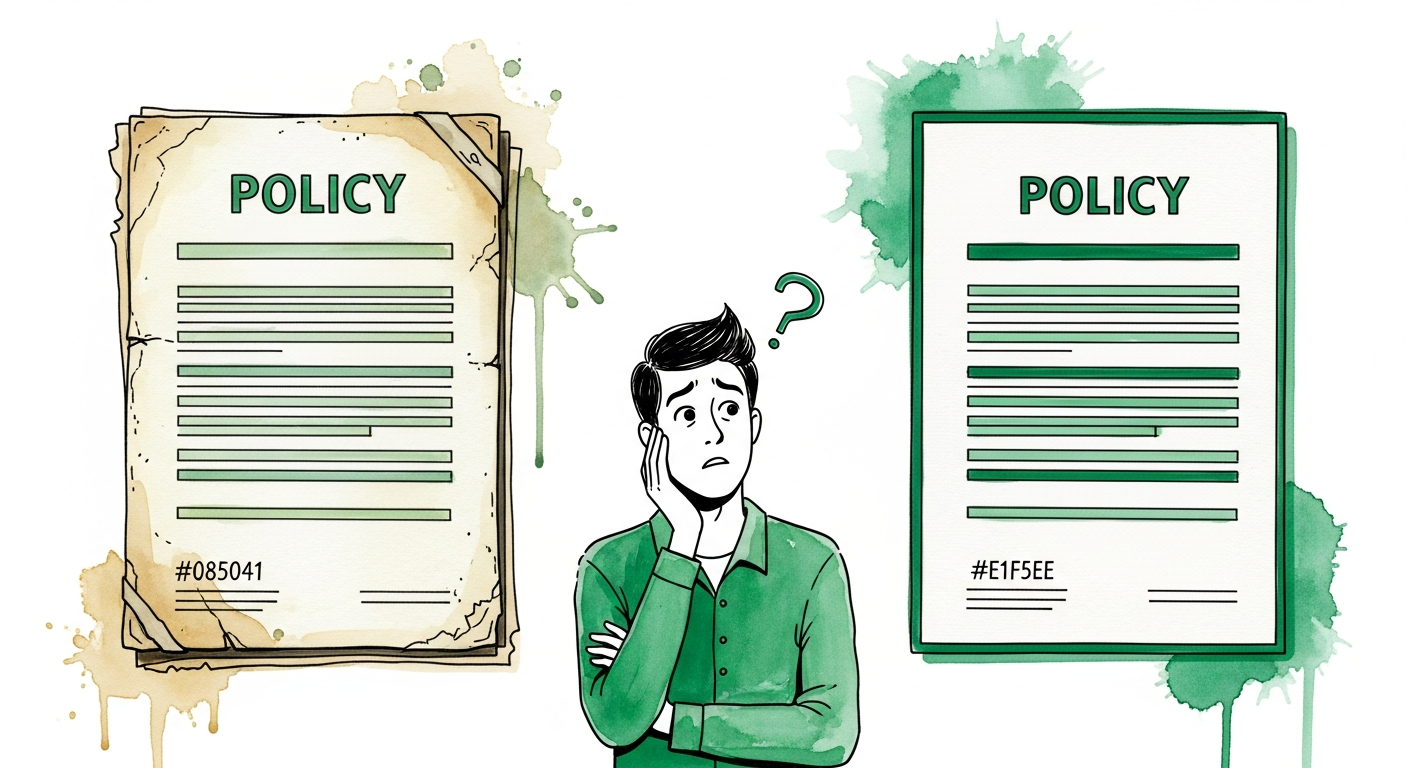
What to evaluate separately in enterprise RAG
Enterprise teams should measure five layers independently:
- Source readiness
- Retrieval quality
- Generation faithfulness
- Citation precision
- System behavior & risk controls (refusal, permissions, regression testing)
Production reliability gates for CX RAG
- Zero tolerance for critical hallucinations on refunds, warranties, security, or compliance topics.
- Citations must support the exact claim.
- Current policy versions must win over older ones.
- The system must refuse unsupported questions.
- Permission boundaries must be enforced at retrieval time.
- Regression tests must run after every knowledge, prompt, or model change.
SafeFoundry POV:
Good documents are the starting point. A governed, evaluated knowledge system is what makes enterprise RAG reliable.
Call to action:
Before your CX AI goes live, test whether it can retrieve the right policy, cite the exact source, refuse unsupported questions, and survive knowledge updates.