May 27, 2026 • 7 min read
From Long Tail to Tiger Tail
AI has flipped the economics of enterprise software — turning the long tail of unbuilt departmental apps into a tiger's tail of lean, fast, high-value tools.

Earlier, apps were expensive to make. Complex apps required a large market size to justify the build, maintain and upgrade. So companies bent themselves around the app. The process wrapped around the software, not the other way round.
The IT had to take a hard call on which apps could exist. Addressing a department's problem? Too small. That was the long tail. The IT superhero cut the dinosaur's tail clean. The head got classic SaaS — ERP, CRM, the works. The tail got Excel.
The long tail was always cut. What kind of apps fell off?
Spreadsheet Shunters
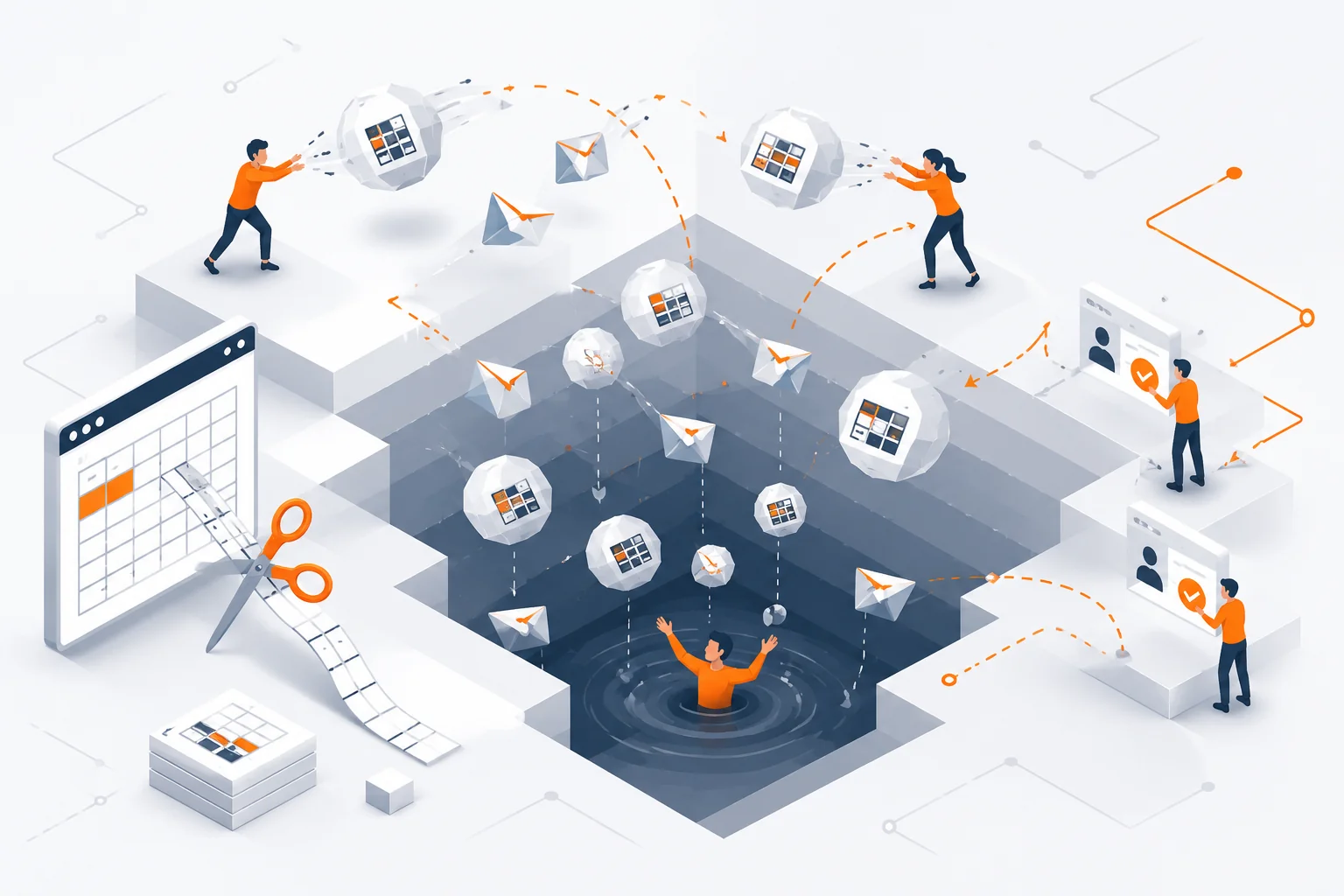
Snowballs of spreadsheets are hurled across by email in a vicious snow fight of information collection. Approvals flow back like blunted snowflakes after a laborious follow-up. Every quarter, the Analyst cuts out previous quarter data just to keep the spreadsheet within the email limits.
This is not used by all. Not very often. Essentially long tail. But drags the entire organisation down. Like a new retailer approval process. Or a store repair budget update. It goes deeper and deeper into the mail, until employees have to sink really deep to keep the process afloat.
Weekly Warmers
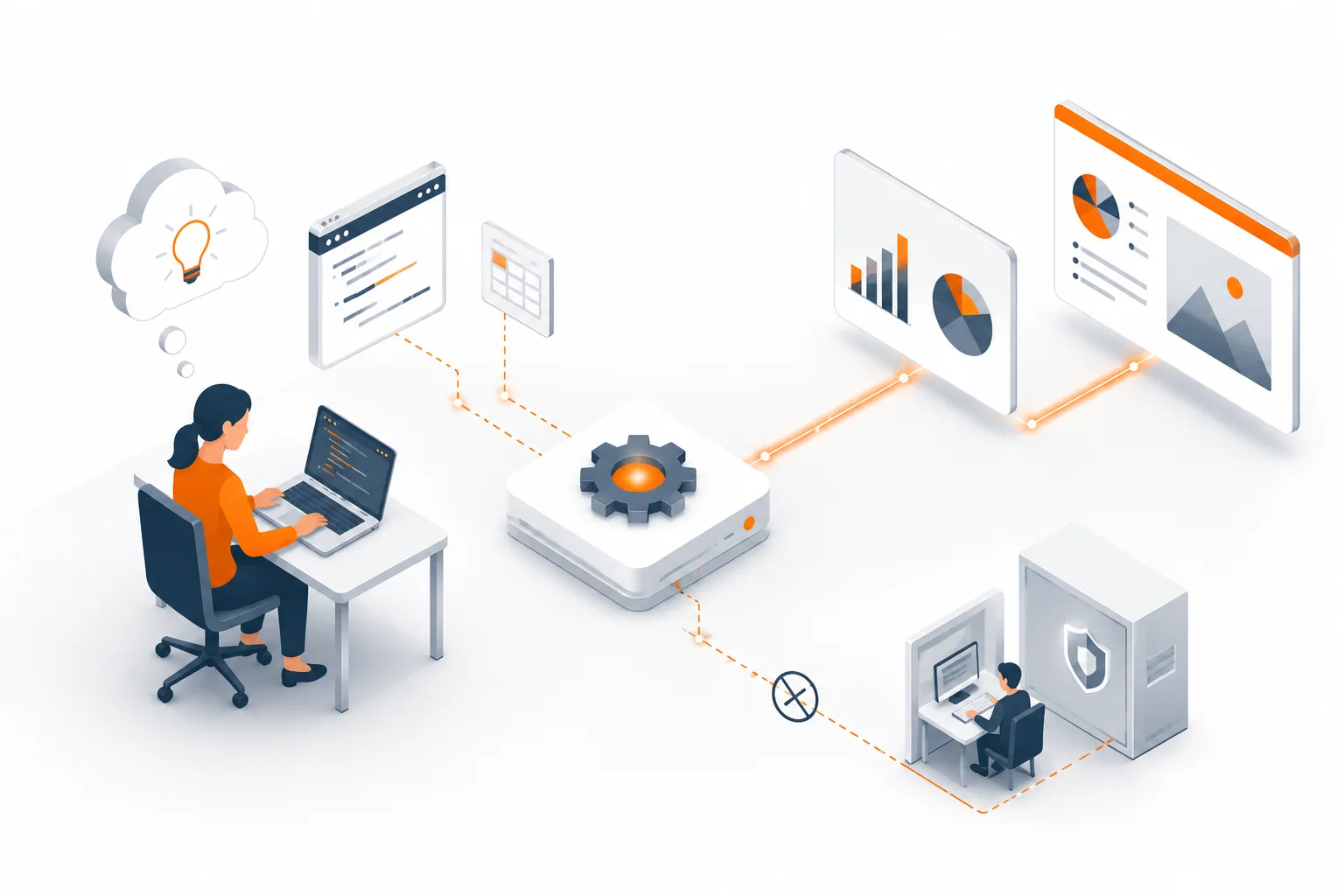
Every week, the Analyst wants to write a macro for her reports. Then it should automatically be translated into a PPT. She knows she should do it, but she tried last year and it didn't work. Her friend told her he would explain it to her. If she does it, she could spend her time thinking through her strategy while her computer magically compiles the presentation.
Every week, she thinks she should crack macros and PowerBI embedded in the PPT. IT never took up the project — below their ZBB line, they said. She should definitely sit on this, this weekend, and then next week, ha, how much good work can she do.
These are weekly warmers. One person endures it, in every division, every week. No more, now it is the time of the long tail.
Aspiring Analysers
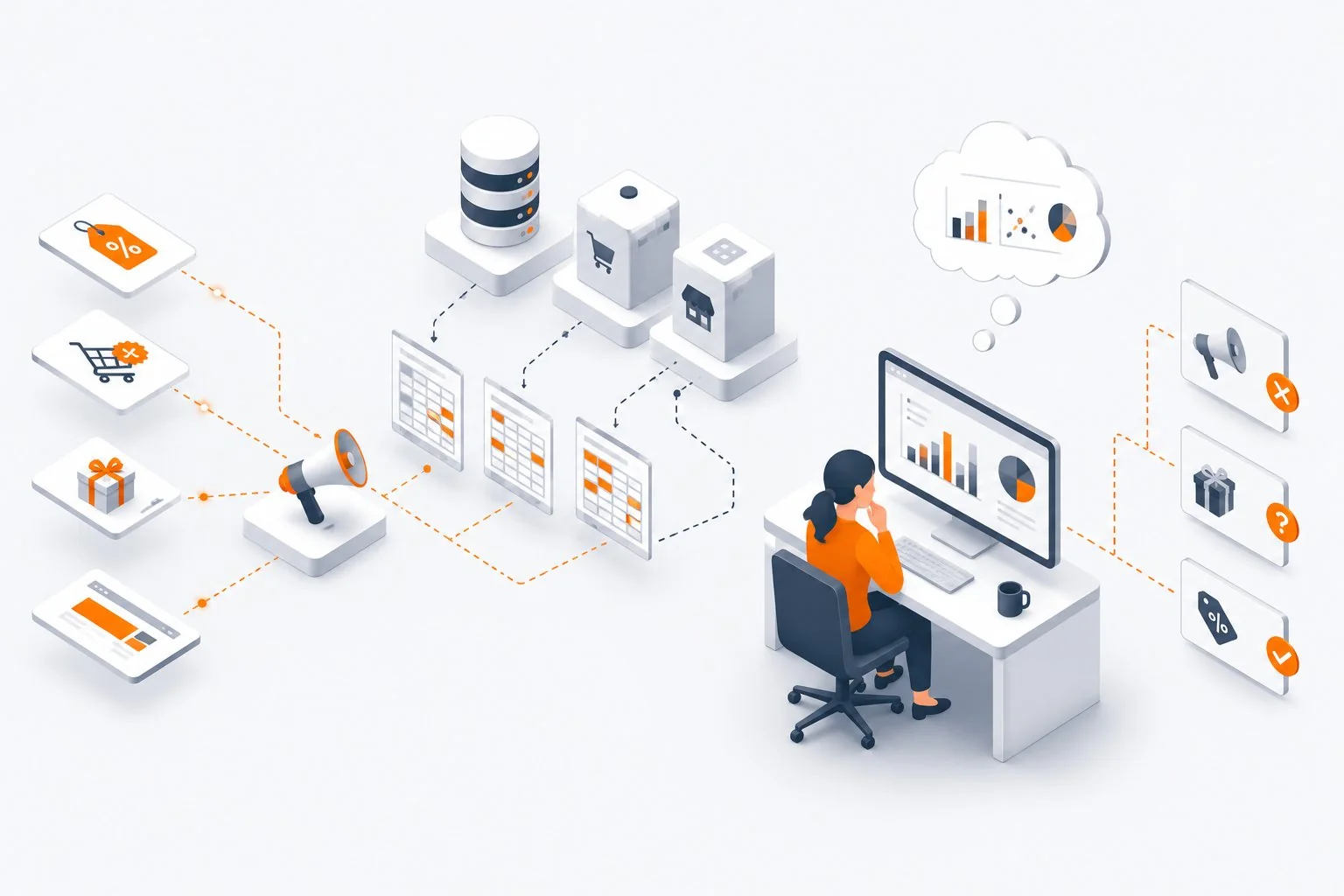
Every promotion is a bet. The category manager places hundreds of them a year — this SKU at 20% off, that bundle for the weekend, a banner spend on the home page. The promotions go out. The sales come in. But the return on each bet sits in three different systems and four different spreadsheets, none of which talk to each other.
She wants the proper cut. Promotion-by-promotion, by category, by store cluster, against the baseline. What lifted volume but killed margin. What looked dull on the surface but pulled in new shoppers. The analysis that would actually tell her where to bet next quarter. Every time, she has a gut feel that her gut feel is wrong. She wants to dig deeper one day. But for today, she goes by her gut feel.
This is the invisible long tail. The analysis that should exist but doesn't. Not because it's hard — because no one ever built the tool, and nobody has three days to spare in Excel.
Gyani Grabbers
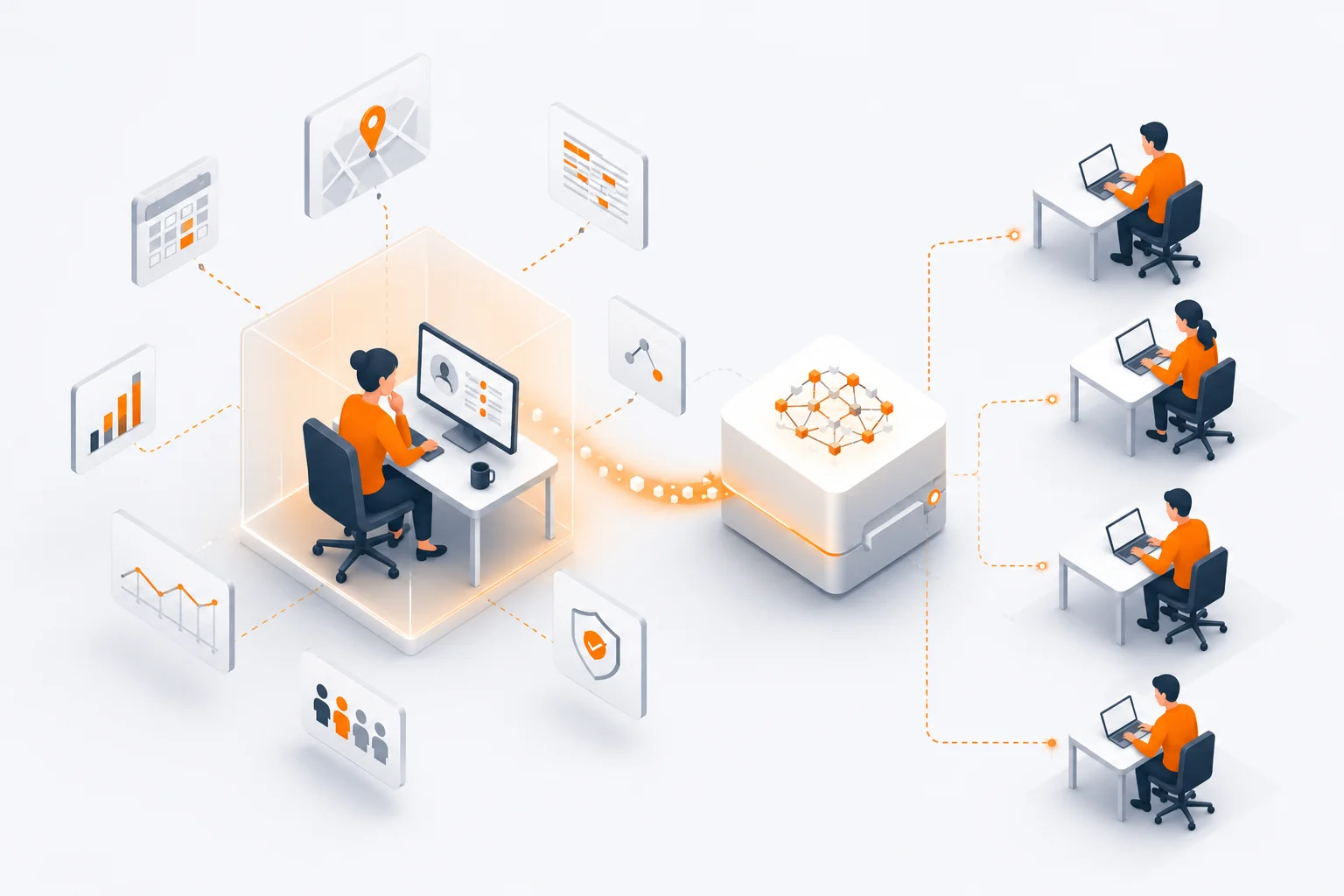
The senior claims adjuster reads a claim and knows. Thirty seconds. Something about the timing, the wording, the pattern of the previous three claims from that pin code. She can't always tell you why. She just knows.
This is fifteen years of pattern-recognition, sitting in one person's head, scaling exactly as far as her working hours allow.
The juniors learn by sitting next to her. For six months. Maybe a year. They pick up some of it. They miss most of it. When she retires, the organisation forgets.
Every function has its Gyani. The buyer who knows which Diwali SKUs to back. The relationship manager who knows which client will tolerate a delay. The plant supervisor who can hear a problem in the machine before the sensor catches it. Their judgement is the asset. And today, that asset doesn't compound — it walks out at 5pm and retires in three years.
The Gyani's pattern can now be captured. Not to replace her. To clone her judgement across the twelve juniors who will never get her six months of shadowing.
The questions that follow
The economics have flipped. The tail can grow back. But four questions follow.
1. Which bits of the tail are worth growing?
Every department has fifty Spreadsheet Shunters and twenty Weekly Warmers. Not all deserve an app. How do we list them, score them, and pick the ones that move a metric — without sanding off the specifics that made each one useful?
2. Who swings the hammer?
Another IT superhero, parachuted in to disappear? Or the Analyst herself, taking a sabbatical into the Foundry and coming back with the tool she always wanted? The answer decides whether the foundry compounds or evaporates.
3. Where does the app live?
A departmental app is not a personal project. It touches the organisation's data, runs on its infrastructure, inherits its IT policy. Where does it sit? Who gives it permissions? How does it stay inside the same security posture as the SAP next door?
4. How does the AI stay honest?
Speed without safety just ships the wrong answer faster. Models drift. Cuts hallucinate. Bias creeps in quietly, hallucinations creep in loudly. Who watches? Who measures? Who tells you when the tool you trusted last quarter has started lying this one?

From Long Tail to Tiger Tail
The IT superhero cut the tail because he had to. The economics gave him no choice. A long tail of small apps, each serving a department, each requiring six months and an agency — it was never going to pencil out. So the dinosaur walked around tailless, and the organisation made do.
The economics have flipped.
What was a long tail of unbuilt apps is now a tiger's tail — lean, fast, striking. The Spreadsheet Shunters get a clean approval flow. The Weekly Warmer's PPT compiles itself while she thinks about strategy. The Aspiring Analyser sees her promotion ROI cut twelve different ways before her coffee goes cold. The Gyani's three decades of instinct sit beside every junior, every day, on every claim.
Each one of these was below the line. Now many of them are above it.
This is what the Foundry is for. Not the big transformation programme. Not the one giant app that serves everyone badly. The standing capability inside every department that picks up the next bit of the tail, every quarter, and builds.
The tail grows back. It stands strong with pride.
SafeFoundry.ai helps organisations discover their Tiger's Tail and flaunt it with mojo. We rank the projects, find the foundry smith, and help you build it safe and responsible.
Call us.